
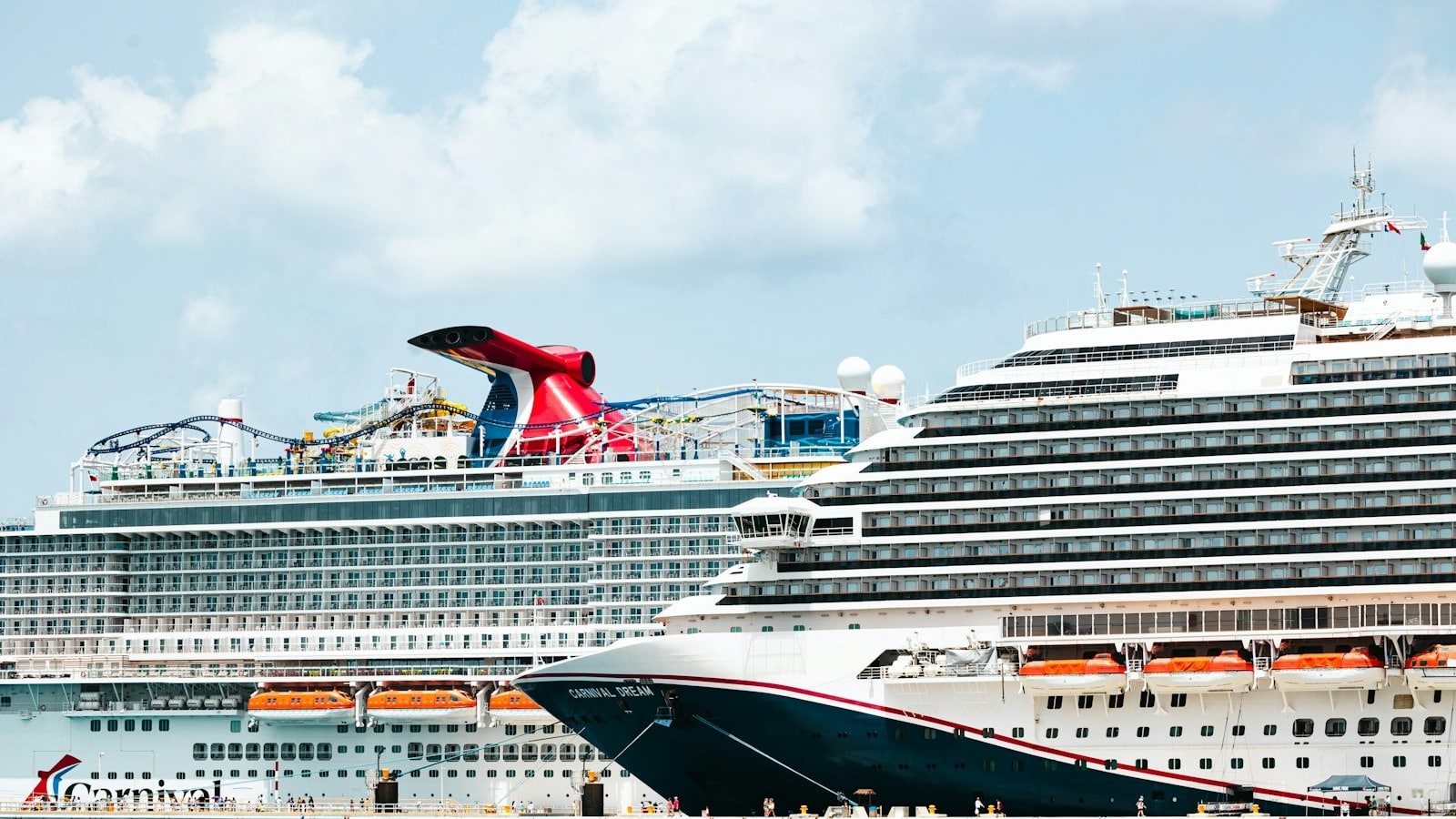
A Carnival cruise lawsuit ended with a six-figure award after a jury concluded the cruise line shared responsibility for a passenger’s alcohol-related fall aboard one of its ships.
The case involved California resident Diana Sanders, who was awarded $300,000 after jurors found Carnival Cruise Line partly at fault for continuing to serve her alcohol before she was injured on Carnival Radiance. The ruling followed a dispute over whether crew members should have recognized that the passenger had become too intoxicated to be served further.
The Incident at the Center of the Case
According to the lawsuit, Sanders consumed at least 14 tequila shots over the course of roughly eight to eight and a half hours during a January 2024 cruise. Later that evening, sometime after 11:30 p.m., she fell on a stairway and suffered significant injuries.

Photo by Isabella Mendes on Pexels
Court filings described those injuries as including a concussion, possible traumatic brain injury, back and tailbone damage, bruising, and lingering headaches. Her legal team argued that by the time of the fall, her condition should have been obvious enough for staff to stop serving her.
How the Jury Split the Blame
Sanders sued Carnival in November 2024, claiming the company failed to uphold its duty of care. After more than a year of legal proceedings, a six-person jury sided with her in part, but not entirely.
Jurors determined that Carnival was 60 percent responsible, while Sanders herself carried 40 percent of the blame. Even with that shared-fault finding, the jury still awarded $300,000 in damages. The verdict suggests jurors believed the cruise line should have done more to prevent the situation from escalating, even if the passenger also made unsafe choices.
Why the Case Was Not So Simple
Carnival challenged the claim on several fronts. The company argued that Sanders could not identify a specific bartender who had overserved her and said there was no clear proof she displayed unmistakable signs of visible intoxication such as slurred speech or obvious stumbling before the fall.
Another complication was the ship’s layout. Because Carnival Radiance has multiple bars and lounges, Carnival’s legal team maintained that the passenger may have been served by different crew members throughout the day, making it more difficult for any one bartender to track how much she had consumed.
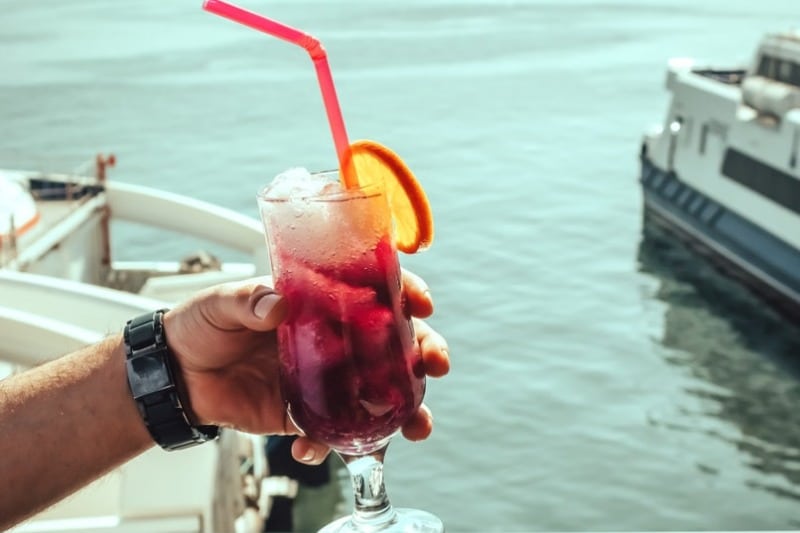
Photo by Fatih Doğrul on Pexels
Although onboard purchases are generally linked to a guest account, the case raised broader questions about how effectively that information is monitored in real time and whether it is enough to prevent overservice in practice.
The Broader Debate Over Cruise Drink Packages
The lawsuit also renewed attention on cruise drink packages, especially Carnival’s Cheers! program. That package allows guests to order up to 15 alcoholic drinks within a 24-hour period beginning at 6 a.m.
During the case, Sanders’ attorney argued that prepaid beverage packages can encourage some travelers to drink more than they otherwise would in an effort to maximize the value of what they paid for. He also suggested that tipping culture may create subtle pressure to continue service rather than cut a guest off.
Whether or not that argument ultimately drove the verdict, the case highlights the uneasy balance between personal responsibility and the cruise line’s obligation to intervene when alcohol consumption appears to become unsafe.
Carnival Says the Fight Is Not Over
Carnival has said it does not agree with the outcome. The company indicated that it believes there are valid grounds to seek a new trial and pursue an appeal, meaning the legal battle may continue.

Photo by KATRIN BOLOVTSOVA on Pexels
That response makes clear that the ruling should not necessarily be viewed as the final word. Still, the verdict has already drawn attention because passenger injury cases against cruise lines do not often end with a notable payout tied so directly to overservice allegations.
What the Verdict Means
At its core, the case serves as a reminder that alcohol-related incidents at sea can create liability for both passengers and cruise lines. Travelers are expected to know their own limits, but operators also have a responsibility to recognize when service may be contributing to a dangerous situation.
In this lawsuit, the jury concluded that both sides bore some responsibility. That shared finding may be the most important takeaway of all. The decision was not simply a statement that Carnival was wrong, or that the passenger alone was at fault. Instead, it reflected the idea that both personal choices and company oversight mattered in the events leading up to the injury.
Final Takeaway
The $300,000 award underscores how quickly a vacation incident can turn into a major legal and financial dispute. For cruise guests, the case is a cautionary story about the risks of excessive drinking. For cruise lines, it is another sign that drink service policies and real-time monitoring can come under serious scrutiny when a passenger gets hurt.