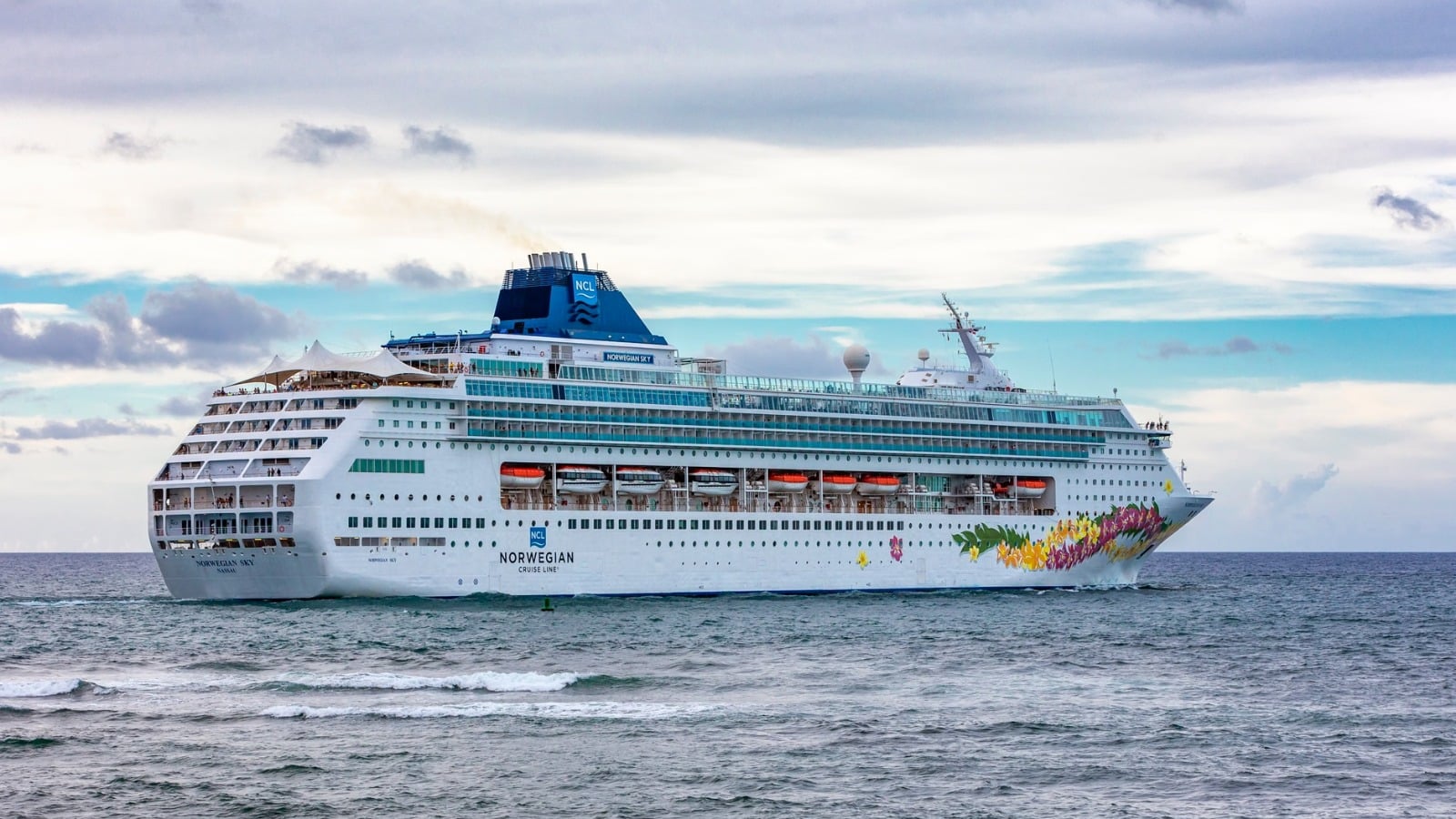
Cruise ships typically perform well on federal health inspections, which is why one recent result involving Norwegian Dawn has drawn so much attention.
According to a recent report, the ship received a score of 84 during a CDC inspection conducted on March 29, 2026. Under the CDC’s Vessel Sanitation Program, any score of 85 or below is considered a failing mark. In a year when several ships have posted perfect results and many more have landed in the high 90s, that outcome made Norwegian Dawn a clear outlier.
Why Cruise Health Scores Matter
Many travelers do not realize that cruise ships sailing from U.S. ports are subject to unannounced sanitation inspections through the CDC’s Vessel Sanitation Program. These inspections are designed to evaluate conditions across a wide range of ship operations, including medical spaces, food preparation areas, water systems, pools, housekeeping practices, ventilation systems, and pest control.

Photo by Henry Hartmann on Unsplash
In most cases, ships score very well. The industry often sees results in the upper 90s, and several vessels reportedly earned perfect 100 scores this year. That context helps explain why a failing result tends to stand out so sharply, especially when public inspection reports are available for anyone to review.
What Inspectors Reportedly Found on Norwegian Dawn
The inspection findings cited a number of issues tied to food safety and sanitation. Among the problems mentioned were refrigeration units operating above required temperatures, food-contact surfaces in an ice machine that were described as heavily soiled, and fruit flies affecting food service areas in the crew mess.

Photo by Rodrigo Rodrigues | WOLF Λ R T on Unsplash
The report also referenced fruit flies in buffet areas, dairy products such as cheese and milk being stored at improper temperatures, and pooled water with mold-like buildup in part of a soda cabinet used near syrup and carbonation equipment. Taken together, those issues were enough to push the ship below the passing threshold.
Why the Result Was Surprising
One reason the score generated interest is that Norwegian Dawn had reportedly earned a 96 on its previous inspection in November 2025, only a few months earlier. That makes the failed result appear especially abrupt compared with the ship’s earlier performance.
More broadly, the failure came during a period when cruise ships, on average, were still posting very strong sanitation numbers. Reports indicate that multiple ships from several different cruise lines received perfect scores this year, while many others came in at 98 or 99. Against that backdrop, an 84 becomes even more noticeable.
What a Failed Inspection Means for Passengers
A failed CDC sanitation score does not automatically mean a ship stops sailing. In most cases, ships continue operating while they work to correct the cited issues. The cruise line is generally required to address the violations and submit a corrective action report explaining what was fixed.
That said, a failing score can still be concerning for passengers, particularly those with an upcoming sailing who want reassurance about onboard cleanliness and food safety. For many travelers, the most important takeaway is that these reports offer a public record they can review before boarding.

The Bigger Picture
The Norwegian Dawn result is a reminder that while cruise ships are inspected regularly and usually score well, strong overall industry performance does not mean every vessel passes every time. Health inspections are meant to catch lapses, and occasionally they uncover enough problems to produce a failing grade.
For cruise passengers, that makes these reports more than just technical paperwork. They are one of the clearest ways to see how a ship measures up behind the scenes, beyond the polished public areas that most guests experience during a sailing.
Final Takeaway
Norwegian Dawn’s 84 was notable not only because it failed, but because it happened in a year when many cruise ships were earning near-perfect or perfect inspection scores. The findings outlined in the report centered largely on sanitation and food-service concerns, and the ship will be expected to correct those issues.
For anyone booked on an upcoming cruise, the story is also a useful reminder that CDC inspection reports are public and worth checking. Most ships do well, but when one falls short, the results can reveal issues passengers would otherwise never see.