
Most cruise advice tells you the same thing: book a balcony, you won’t regret it. Then you actually price one out, see the upgrade running $400 to $1,200 over an interior cabin, and the advice gets less helpful in a hurry.
The honest answer is that balconies are worth it for some cruises and a waste of money for others. The trick is knowing which is which before you click “book.”
Quick answer: A balcony is worth the upgrade if your cruise has 3 or more sea days, runs longer than 5 nights, or sails through scenic waters like Alaska, the Norwegian fjords, or Mediterranean coastlines. On short, port-heavy Caribbean cruises where you’ll barely be in the cabin, you can usually skip the balcony and put the money toward shore excursions or specialty dining. Itinerary, cruise length, and how much time you actually spend in your cabin matter more than the standard “always book a balcony” advice suggests.
Now let’s break the math down properly.
How Much More Does A Balcony Actually Cost?
Balcony cabin pricing varies enormously between cruise lines, ship classes, and individual sailings. There are some broad patterns worth knowing before you start comparing fares.
On a typical 7-night Caribbean cruise, a balcony cabin runs $400 to $800 per person more than an interior cabin in the same fare class. On a 14-night repositioning cruise or an Alaska sailing, that gap can stretch to $1,500+ per person. Newer ships push those numbers higher. A balcony on a Vision-class Royal Caribbean ship is often hundreds less than a balcony on Icon of the Seas for similar cruise lengths.

Photo by Jean-Paul Wettstein on Pexels
The cabin upgrade isn’t the only cost to think about. Daily gratuities are charged per person per day regardless of cabin type, but suite categories pay higher rates than balcony cabins. Some lines also bundle perks into balcony fares. Princess’s Plus and Premier packages, for example, are often offered at small upgrade costs over the “Standard” balcony fare and bundle drinks, WiFi, and gratuities together.
Tip: Balcony cabins on the lowest decks of a ship are usually the cheapest. The view is the same, the wave noise is closer, and you’ll save $100 to $300 per person without losing much. Worth checking before you default to a higher deck.
The other cost factor most first-timers miss: balcony fares move with the cruise market. A balcony you priced six months out at $1,200 might drop to $900 during a flash sale, and most lines will let you reprice if the rate falls before final payment. We cover more of the line items most cruisers don’t budget for in our hidden costs breakdown.
What You Actually Use A Balcony For
This is the section that should drive your decision more than any pricing chart.
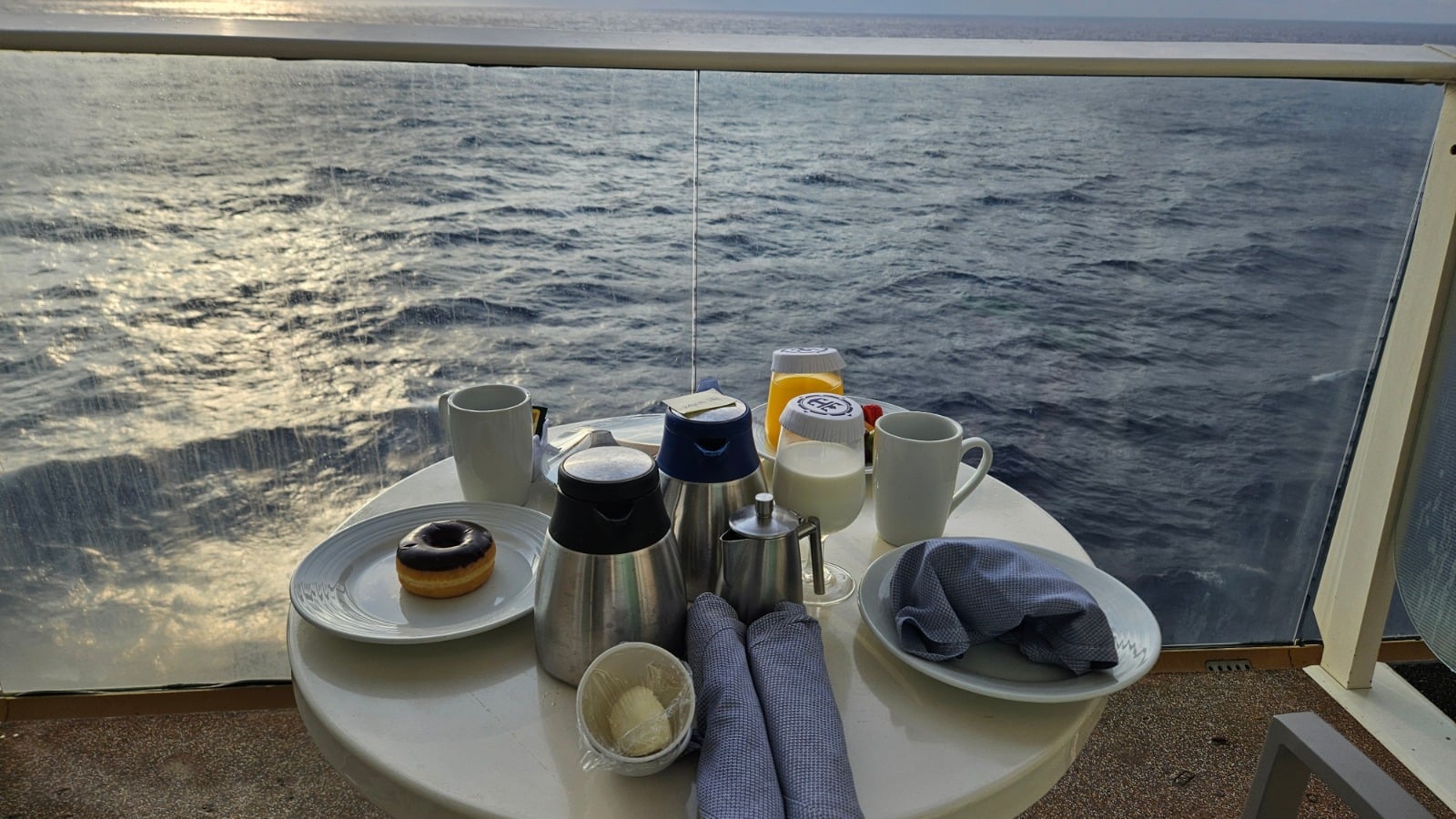
Cruisers who get the most value from a balcony tend to share a few habits. Drinking morning coffee outside in the morning is the moment most balcony lovers point to as “this is why we book one.” Sunrise from your own private outdoor space, especially during a scenic departure or arrival, is something the lido deck can’t replicate.
Privacy for sail-aways is another. The lido deck during a Caribbean sail-away is a party. If that’s your scene, you don’t need a balcony for it. If you’d rather watch the port slide away with a glass of wine and zero strangers around, a balcony delivers that.
Afternoon naps with the door cracked for ocean breeze and the sound of water are a real thing balcony fans rave about. Room service breakfast on the balcony is a small luxury people remember years later. And some cruisers, especially introverts and travelers in the 50+ age range, genuinely value having a private outdoor space to retreat to during a busy cruise. This shows up as the most common reason returning balcony bookers cite when surveyed.

Photo by Reynier Carl on Unsplash
If none of those describe you, if you treat your cabin as a place to sleep and shower while spending your real cruise time on the lido deck or in port, a balcony is mostly aesthetic. It’ll look pretty in the booking photos. You’ll use it for about 20 minutes total on the entire cruise.
When A Balcony Is Worth The Money
A few clear scenarios where the upgrade earns its keep:
- Scenic-itinerary cruises. Alaska, Norway, the Mediterranean, and Greenland are the strongest case for a balcony. When the ship is sailing past glaciers, fjords, or coastlines for hours at a stretch, you’ll genuinely use the outdoor space. Princess specifically markets its Alaska sailings around scenic-cruising days like Glacier Bay, where guests pull up balcony chairs and stay there for half a day.
- Repositioning and transatlantic cruises. These have multiple consecutive sea days. Without a balcony, you’re choosing between a windowless cabin and fighting for pool deck real estate. With one, you have a quiet retreat for hours of reading, napping, and watching the ocean.
- Cruises longer than 7 nights. The longer the sailing, the more time you’ll actually be in your cabin. On a 12-night cruise, the cumulative balcony hours start to add up in a way they don’t on a 4-night Bahamas run.
- Hot-weather summer cruises with kids. Adults wanting a quiet spot when the kids are in the cabin’s main bed, or wanting to sit outside without trekking up to the lido, get more daily use than you’d think.
- Anniversary, honeymoon, or milestone trips. Spending more for a meaningful experience is a fair use of money. Don’t overthink the math.
What we learned: We didn’t book a balcony for our first cruise because the budget was tight. An oceanview window did the job, and we didn’t miss the outdoor space. For our next sailing, we upgraded. The longer itinerary, more sea days, and a private island stop all made the math work this time.
When You Can Skip It Without Missing Much
The cases where the balcony upgrade is mostly hype matter just as much:
- Short Bahamas and Caribbean cruises (3 to 5 nights). You’ll be in port more than at sea, and the time you spend in your cabin will be limited to sleeping. The money is better spent on excursions, drinks, or a specialty dining or drink package.
- Cruises focused on private islands. Perfect Day at CocoCay, Great Stirrup Cay, Princess Cays — these are headline destinations on their itineraries. If you’re sailing to use them, you’re not on the ship.
- Family cruises with multiple kids. Putting four people in a balcony cabin is tighter than putting four in an interior cabin with a virtual balcony. Connecting interior cabins are often cheaper than a single balcony big enough for the family.
- Caribbean port-heavy itineraries. When you’re docking somewhere new every day, your cabin is a sleeping pod. Save the upgrade for the next cruise when it’ll matter more.
- Mediterranean and European cruises with active port days. Same principle. If you’re off the ship in Barcelona, Naples, and Mykonos all day, the balcony stays empty.
Heads up: Some balcony cabins have obstructed views — partially blocked by lifeboats or structural elements. They’re cheaper, but if you’re paying for the view, read the deck plans carefully before booking. Third-party cabin photo sites let you see exactly what each cabin number looks like out the balcony.
Balcony vs. Interior vs. Oceanview vs. Suite
Here’s how the four main cabin categories stack up on the dimensions that actually matter.
| Category | Typical Upgrade Cost (Over Interior) | Natural Light | Outdoor Space | Best For |
|---|---|---|---|---|
| Interior | — (baseline) | None | None | Budget cruisers, port-heavy itineraries, deep sleepers |
| Oceanview | $100–$300/person | Window only | None | Cruisers who want light and a view but not outdoor access |
| Balcony | $400–$1,200/person | Full | Private outdoor space | Sea-day-heavy itineraries, scenic cruises, longer sailings |
| Suite | $1,500–$5,000+/person | Full + extras | Larger balcony | Travelers who want priority perks, private lounges, butler service, more cabin space |
A few things this table doesn’t capture but that matter when you book:
- Cabin size is mostly the same. On most ships, interior, oceanview, and balcony cabins are the same square footage. The balcony adds outdoor space, not indoor space. Suites are the only category with a real size upgrade.
- Cabin location changes the experience. Aft and forward balconies are generally larger than midship ones. Aft balcony cabins, especially the wraparound ones at the back of the ship, are fan favorites and book up fast.
- Newer-ship features get weird. Celebrity Edge-class ships have “Infinite Verandas,” balconies built into the room that open with a button rather than separate outdoor space. They’re polarizing. Some cruisers love the indoor-outdoor flex; others feel cheated out of a real balcony.
The Itinerary Factor Most Cruisers Underestimate
The single biggest thing that should drive the balcony decision is the sea-day-to-port-day ratio of your specific cruise.
A 7-night cruise with 4 sea days is a fundamentally different value proposition than a 7-night cruise with 5 port days. On the first, you’ll spend dozens of hours where the ship is your only environment. On the second, you’ll be off the ship from 8am to 5pm most days and a balcony you paid $700 to upgrade to is sitting empty for most of the cruise.
Run the math before you book.
Total cruise nights minus port days gives you sea days. Sea days multiplied by roughly 12 waking hours gives you potential cabin time. A 5-night cruise with 1 sea day gives you about 12 hours of potential balcony use across the trip. A 7-night cruise with 4 sea days gives you about 48 hours.

Photo by Jose Parra on Pexels
A $700 balcony upgrade across 12 hours is just under $60/hour for a chair outside. That same $700 across 48 hours is closer to $15/hour, which starts to feel reasonable. Add scenic sailing into the mix and the math changes again. A balcony during Glacier Bay or sailing past coastal Alaskan fjords is worth more per hour than a balcony staring at open Atlantic.
Read more: We go deeper on choosing the right cruise for what you actually want to do in our first-timer guide to picking a cruise.
What To Look For When Picking A Balcony Cabin
If you’ve decided the balcony is worth it, the next decision is which one. Not all balcony cabins are equal.
- Aft balcony cabins are the underrated pick. Cabins at the very back of the ship often have larger or wraparound balconies and a more private feel. The wake view is genuinely beautiful, especially at sunset. They book up fast on most ships, so if you see one available six months out, that’s the time to grab it.
- Forward balcony cabins get more wind. Cabins at the front of the ship feel more weather. On a calm Caribbean cruise that’s not a problem. On a crossing or a Northern European itinerary, expect serious wind on port days when the ship is moving.
- Midship balconies have the least motion. If anyone in your cabin is prone to seasickness, a midship balcony on a lower deck minimizes both vertical and horizontal movement. Higher decks at the front and back move more.
- Avoid lifeboat-obstructed cabins unless you’re saving real money. Some lines list these as “obstructed” or “partially obstructed.” A lifeboat between you and the ocean is not the balcony experience you’re paying for. The discount has to be worth it. Often it’s not.
- Connecting balcony cabins exist on most ships. If you’re traveling with kids or extended family, two connecting balcony cabins can be more practical than one larger suite, and sometimes cheaper.
- Check what the balcony actually faces. On Royal Caribbean’s Oasis-class ships, some “balcony” cabins face inward toward Central Park or the Boardwalk neighborhoods rather than the ocean. Those are real outdoor balconies but the view is people-watching, not seascapes.
Cabin selection is one of the easiest places to overspend or under-think on a cruise booking. Worth taking the extra hour to compare deck plans before you commit.
Balcony Etiquette Worth Knowing Before You Book
A real benefit of a balcony is you can use it however you want. There are still a few unwritten rules. Don’t smoke on it on most lines (Royal Caribbean, Celebrity, and Princess all ban smoking on stateroom balconies, with steep cleaning fees if you’re caught). Don’t toss things overboard, ever. Voices carry between balconies, so the 11pm phone call to the office is going to be heard. Worth a quick read of things you genuinely shouldn’t do on a cruise ship balcony before you sail.
So Should You Book One?
If your cruise is longer than 7 nights, has 3 or more sea days, or sails through genuinely scenic waters, book the balcony. You’ll use it enough to justify the upgrade and the experience is materially better.
If your cruise is 5 nights or less, port-heavy, or focused on a private island day, save the money. Put it toward a specialty dining package, a couples’ shore excursion, or just bank it for the next cruise. An interior or oceanview cabin will do everything you actually need it to do for those itineraries.
If you’re somewhere in the middle, like a 7-night Caribbean run with 2 sea days, book based on what you’ll actually use. If you’ll drink coffee outside every morning and watch sail-aways from your own chair, a balcony is worth it. If you’re a lido-deck person who treats the cabin as a sleep pod, you can skip it without losing much.
There’s no wrong answer here, just a wrong answer for your specific cruise. The blog advice that says “always book a balcony” is selling you on someone else’s ideal trip, not yours.
Have you sailed in both an interior and a balcony cabin? Which made the bigger difference for you?