
Half the cruise advice you’ll read says book early. The other half tells you to wait for last-minute deals and save hundreds. Both sides sound convincing. Both sides are partially right.
The honest answer is that “early or late” misses what’s actually going on with cruise pricing in 2026. The fire-sale era most people are still thinking of is mostly gone. The real lever for getting a good price isn’t when you book — it’s how you book, what you book on, and what you do after you book. And there’s one specific strategy almost no first-timer knows about that genuinely changes the math on this whole debate.
What Booking Early Actually Gets You
Cruise lines open new itineraries 18 to 24 months out and price them low to fill the ship early. Their best published rates are almost always when bookings first open. As cabins sell, the price climbs.

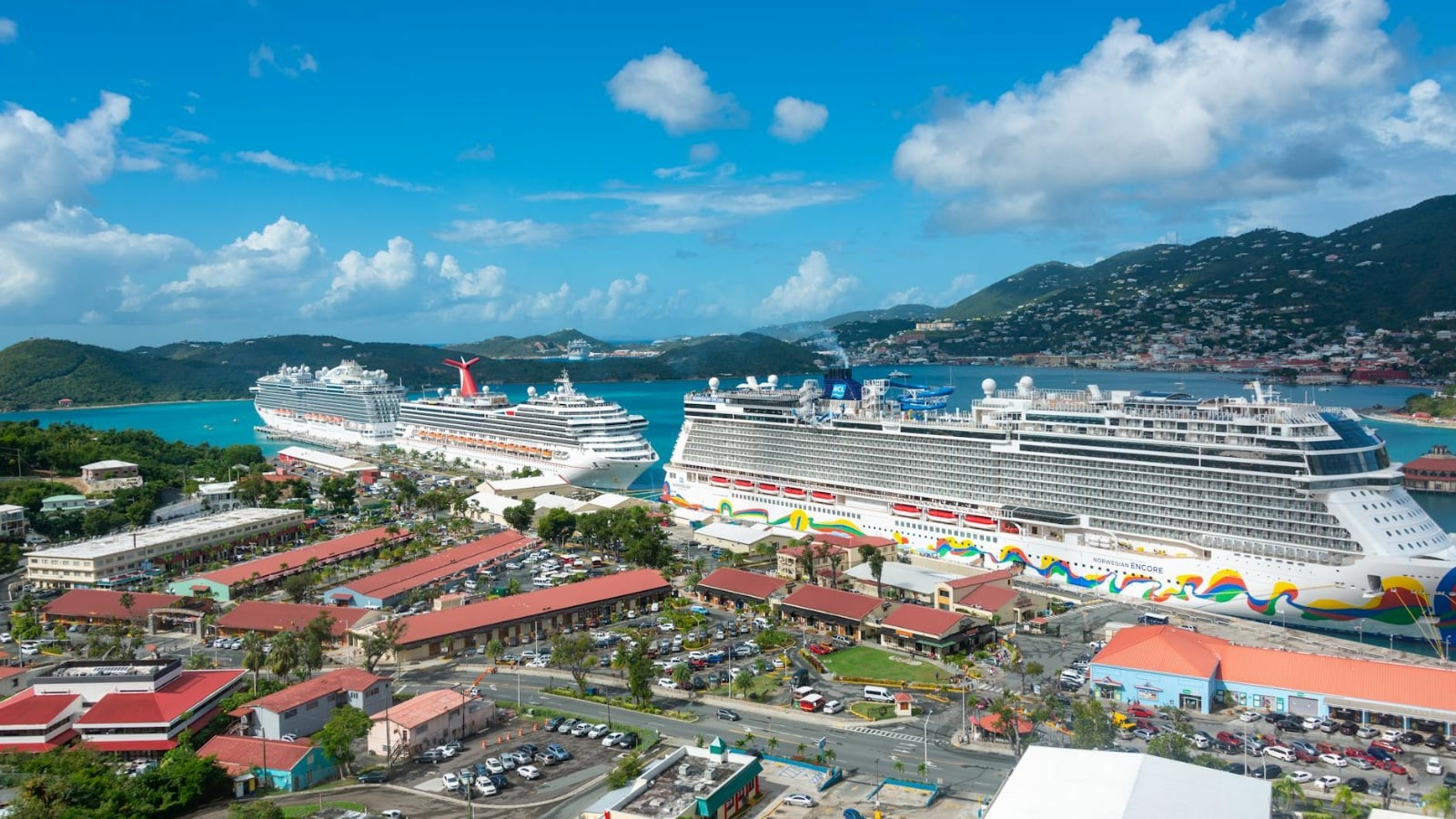
Photo by Adam Gonzales on Unsplash
Booking 12 to 18 months ahead gets you four real things that matter:
- The cabin you actually want. Aft balconies, accessible cabins, suites, connecting rooms, solo studios on Norwegian, Family Harbor cabins on Carnival, The Haven, The Retreat — these are the categories that sell out a year out. Wait until 90 days and they’re gone.
- Perks bundled with the fare. Most major lines run early-booking promos that bundle in things like onboard credit, free drink packages (or upgrades from Plus to Premier), prepaid gratuities, free third and fourth guests, or reduced deposits. On a 7-night sailing, a stacked promo can be worth $500 to $1,500 in real value depending on the package. Whether a cruise drink package is even worth buying is its own question — but if one comes bundled for free, the math gets much simpler.
- A small deposit holds the cabin. On most mass-market lines, a refundable deposit of around $100 to $250 per person locks in the price. Final payment isn’t due until roughly 90 days before sailing. You’re committing very little upfront for a year of price protection.
- Time to plan. A year out, you have time to research ports, book the shore excursions you actually want before the popular ones sell out, find decent airfare, check passport expiration dates, and book hotels for the night before embarkation. Booking 60 days out, you’re scrambling.
Tip: When you book early, ask the cruise line or travel agent specifically which current promos are stackable. Sometimes you can combine a “kids sail free” offer with onboard credit and a reduced deposit on the same booking. They won’t always volunteer the stack.
What Booking Late Actually Gets You
The case for waiting is real too, even if it’s narrower than the internet makes it sound.
- Lower advertised fares on unsold cabins. Cruise lines hate sailing with empty cabins. An empty cabin earns nothing, costs the same to clean and heat, and represents lost onboard spend on drinks, specialty dining, excursions, and the casino. Roughly 60 to 90 days before sailing, lines start cutting fares on whatever inventory hasn’t moved. On a slow-selling itinerary, you can occasionally find an interior cabin in the $50-to-$70 per person per night range.
- No long wait. There’s something to be said for booking a cruise three weeks out, sailing, and being home before the credit card statement closes. Less anticipation tax, less life disruption, less time for plans to fall apart.
- No locked-in price you’ll regret. If you book a year out at $1,200 per person and the same cabin shows up at $800 in a sale next month, you’ve left $400 on the table — unless you re-fare, which we’ll get to.
- Flexibility on what’s left. If you genuinely don’t care which ship, which itinerary, or which week — and you live close enough to a homeport that flights aren’t a factor — you can shop whatever’s discounted that month and pick the best of it.
That’s a real set of benefits. But notice how much of it depends on flexibility most cruisers don’t actually have.
The Catch With Last-Minute Cruise Deals In 2026
The “wait for a fire sale” advice was written for a different cruise industry. Here’s where it breaks down today.
- Demand recovered hard. Mass-market cruise lines are sailing fuller than they were pre-2020. When ships sail at high occupancy, lines don’t need to slash prices to fill cabins. They can hold their rates and still sail full. The era of true last-minute fire sales has mostly ended — what you’ll find instead is added-value promotions like a drink package thrown in or onboard credit, not the half-off cabin discounts of a decade ago.
- The cabins left are the ones nobody wanted. Last-minute inventory is what didn’t sell during normal booking. That means interior cabins in noisy spots near elevators or under the pool deck, or oceanviews with obstructed views. Suites, balconies in prime locations, accessible cabins, and family configurations are long gone. If you have any cabin requirements at all, last-minute usually means compromise.
- Airfare wrecks the math. This is the killer. A $300 last-minute fare savings on the cruise often gets eaten in full by a $400 last-minute airfare increase. Booking flights three weeks out is brutally expensive in 2026. Unless you live driving distance from your homeport — Baltimore, Galveston, Cape Liberty, Port Canaveral, Miami if you’re local — the cruise savings get overwhelmed by the rest of the trip cost.
- Final payment is immediate. When you book 60 days out, you owe in full at booking. There’s no installment plan, no 90-day cushion. That cash-flow flexibility is something only early bookers get.
- Insurance gets harder. Most travel insurance has pre-existing condition waivers tied to booking within 14 to 21 days of your initial deposit. If you book last-minute and something happens to a family member two weeks before sailing, you may not be covered the way an early booker would be.
Heads up: The “last-minute deal” idea is one of the most commonly believed cruise myths. The deals do exist, but they require a profile most cruisers don’t fit. If you have to fly, want a specific cabin type, or have any inflexibility in your dates, the math almost never works.
This is one of the more common assumptions newer cruisers walk in with — there are a few others worth knowing about in our breakdown of cruise booking mistakes first-timers make.
The Trick That Changes The Whole Equation
Here’s the part most articles skip. You don’t actually have to choose between early-and-locked-in or last-minute-and-flexible.
The strategy: book early to get the cabin you want, then monitor the price and re-book if it drops.
Cruise pricing is dynamic. The same cabin can be $1,400 in January, $1,200 in March during a wave-season sale, $1,500 in May, and $1,100 in a Black Friday promo in November. If you booked at $1,400 and the price drops to $1,100 before your final payment date, most cruise lines will let you re-fare — either by re-pricing your existing booking or by canceling and rebooking at the new rate.

Here’s how it actually works:
- Before final payment (roughly 75 to 90 days out depending on the line and cruise length), most mass-market cruise lines will adjust your booking to the lower published rate. On Royal Caribbean, you typically have to call or work with your travel agent, and they’ll usually re-price it without charge if the new rate is lower than what you paid. Carnival’s Early Saver fare has a price-protection guarantee built in, so a price drop on the same cabin triggers onboard credit automatically when you submit a claim. Norwegian, Celebrity, and Princess all allow re-fares before final payment under their standard terms, though each has its own quirks worth checking when you book.
- After final payment, you usually can’t re-fare the cash price, but you can sometimes get the difference as onboard credit or a cabin upgrade if the new fare is significantly lower. This is line-specific and travel-agent-specific. A good cruise travel agent is worth their commission for this alone.
How to actually monitor prices: re-check the same cabin category on the cruise line’s site once a week. Some third-party tracking sites watch prices for you and alert on drops, though their accuracy varies. The big drop windows to watch are wave season from January through March, the days around Memorial Day, the August “back to school” lull, and Black Friday through Cyber Monday. Those four windows account for most of the meaningful price movement.
What you don’t get with this trick: you can’t switch categories. If you booked a balcony, you can’t re-fare to a suite that drops in price. The re-fare only matters for the cabin tier you originally booked.
We booked our June 2026 Oasis of the Seas balcony 14 months out, and we’re watching the price right up to our final payment date. The cruise community calls this a “price adjustment” or “re-fare,” and I’d argue it’s the single most under-discussed move in mainstream cruise advice. The re-fare quietly does most of the work people are actually trying to do by waiting for a last-minute deal.
What we learned: Travel agents are far more aggressive about catching re-fare opportunities than most cruisers monitoring on their own. If you book direct, the watching is on you. If you book through a cruise-focused agent, they’re often watching for you — their commission goes up when the cabin price drops too, so the incentives line up.
A Framework For Deciding Which Approach Fits Your Situation
Here’s where the actual decision lives. The right answer depends on six factors. Match yourself against this table — wherever you lean, that’s your move.
| Factor | Book Early (12+ Months) | Wait For Last-Minute |
|---|---|---|
| Cabin priority | You want a specific cabin type, location, or category (aft, suite, accessible, family) | Any cabin will do, including interior or obstructed view |
| Date flexibility | You need specific dates (school break, holiday week, anniversary) | You can sail any week the deal shows up |
| Distance to homeport | You have to fly to the port | You live driving distance |
| Ship and itinerary | You want a specific ship or popular itinerary (Alaska, Mediterranean summer, Caribbean holidays) | You’ll take whatever ship and itinerary are discounted |
| Group size | Traveling with kids, multi-cabin family group, or accessibility needs | Solo or couple, no special requirements |
| Budget priority | You want stacked perks (onboard credit, drink package, prepaid gratuities) more than the rock-bottom fare | You want the lowest possible cash fare and don’t care about perks |
If you lean “early” on three or more of these factors, book a year out. If you genuinely lean “late” on most of them — and most cruisers don’t — last-minute can work.
The first-timer reality is that almost nobody actually fits the late-booking profile. Most readers planning their first cruise want a specific itinerary, need to fly, and care which ship they’re on. If I’m being honest, that’s an early-booking profile, full stop.
If you want the calendar side of this question — which months tend to have the best promotions, when wave season hits, what Black Friday cruise sales actually look like — our timing guide covers that side in more detail. The two pieces fit together: this article is how to think about the decision, the other one is when in the calendar to act on it.
And whichever way you go, build in a buffer for the cruise costs that don’t show up in the fare — gratuities, drinks, specialty dining, shore excursions, WiFi, photos. The fare you compare across early-vs-late is rarely the actual total.

If you’re sailing the Caribbean specifically, the timing curves for the most popular itineraries are different than for shoulder-season sailings. Worth knowing the rhythm of Caribbean cruise season before locking anything in.
So When Should You Actually Book?
For almost everyone reading this, the answer is: 12 to 18 months ahead, with a refundable deposit, and then watch the price like a hawk until final payment so you can re-fare if it drops.
That single strategy handles cabin choice, perks, peace of mind, and lower price — most of what people are actually trying to optimize when they ask “early or late.” The cases where waiting genuinely beats this approach are narrower than the internet suggests: a flexible cruiser who lives near a homeport, has no cabin preferences, and is willing to sail whatever’s left on whatever week shows up. That’s a real profile, but it’s not most people, and it’s almost never first-time cruisers.
The cruise industry isn’t structured to reward waiting anymore. It’s structured to reward booking early and being smart about price tracking after the fact. That’s the actual answer once you cut through the fire-sale mythology.
How far ahead did you book your first cruise, and would you do it differently now?