
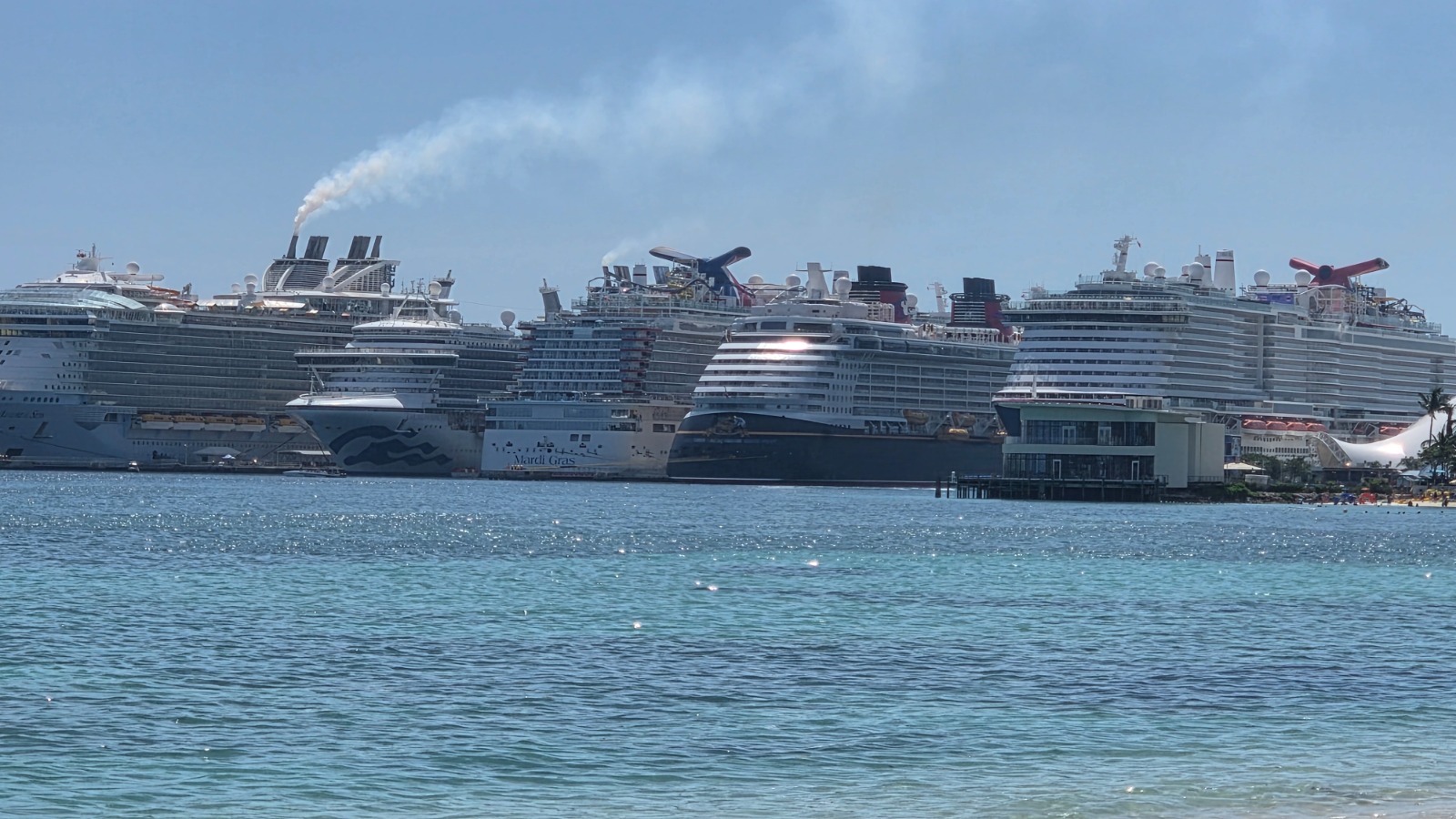
The cheapest cruise line isn’t really a cruise line.
It’s a decision about which ship, which week, and which fare you’re actually reading.
Two people can sail the same route, the same number of nights, on the same line, and walk off having paid hundreds of dollars apart.
Most “budget cruise line” roundups skip all of that and just rank the brands from cheapest to priciest.
That ranking is close to useless on its own, because the line you pick is only one of four things that decide what you pay.
So here’s the honest version. We’ll cover which lines genuinely skew cheap, why the ship matters more than the badge on the funnel, when to book, and the quiet costs that turn a bargain fare into a not-so-cheap week.
What “Cheap” Actually Means On A Cruise
The trap is the headline fare.
You see “7 nights from $329” and your brain files the cruise as cheap.
That number is the cruise-only fare for the lowest inside cabin, before almost everything else.
Gratuities aren’t in it. Drinks aren’t in it.

Drinks at the bar on Oasis of the Seas
WiFi, the ride to the port, parking, excursions, the specialty dinner you’ll probably cave on by night three. None of it.
Run the real math on that $329, which is a per-person fare. Add roughly $130 in gratuities for the week.
Add $60 to $100 a day if you buy the drink package. Then a couple of excursions, WiFi, and the drive or flight to reach the ship.
The “cheap” cruise is now a thousand-dollar week per person, and you booked it thinking $329.
So a genuinely cheap cruise isn’t the one with the lowest advertised fare. It’s the one with the lowest all-in cost for the trip you actually want.
That distinction is the whole game. A lot of the money hides in plain sight, and we’ve broken down the ones that don’t show up in the headline price separately, because they move the total more than the brand does.
Heads up: The “from” price is almost always an inside guarantee cabin on an off-peak sailing. Want a specific cabin, a holiday week, or a balcony? The real starting number is higher than the ad.
The Cruise Lines That Skew Cheapest
Now the part you came for.
Some lines do consistently start lower than others, and for a US cruiser there are five worth knowing.
We should be upfront about one thing. The only line we’ve sailed ourselves is Royal Caribbean. Everything we say about Carnival, MSC, Norwegian, and Princess comes from their own pricing, cruiser reports, and the cruise sites we trust, not from personal sailings.
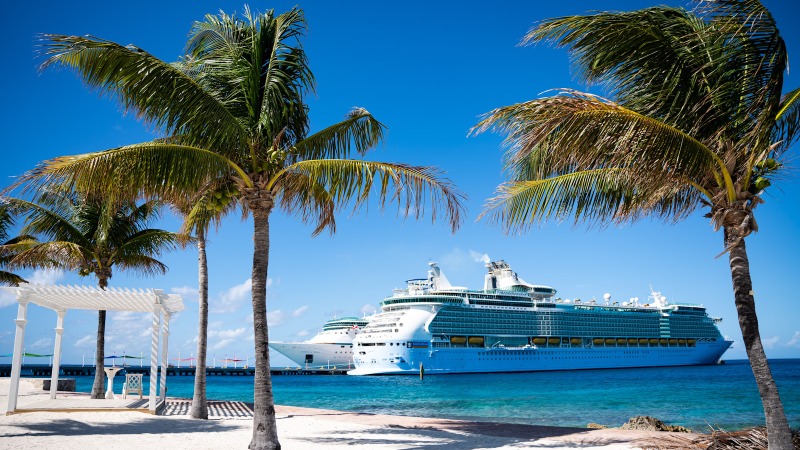
Photo by Anju Ravindranath on Unsplash
If you want the flip side of this question, our look at which lines give you the most for your money is about value, getting the most per dollar. This one is about the lowest dollar, full stop. They’re different questions with different answers.
Here’s how the five stack up on the budget angle.
| Line | Cheapest for | Daily gratuity (standard) | The budget catch |
|---|---|---|---|
| Carnival | Short, drive-to-port getaways | ~$17/person | Everyone 21+ in the cabin must buy Cheers! if one person does |
| MSC | Lowest headline Caribbean fares | ~$17/person | The cheapest “Bella” fare includes almost nothing beyond the cabin |
| Royal Caribbean | Older, smaller ships | $18.50/person | Newest ships carry a big premium, add-ons pushed hard |
| Norwegian | Bundled “More at Sea” promos | ~$20/person | Highest add-on pricing of the five, even bottled water costs |
| Princess | Longer, scenic, sea-day itineraries | ~$18–$20/person | Plus and Premier bundles blur the true base fare |
Carnival: Lowest Fares, Most Homeports
Carnival is the one most Americans can drive to.
It sails from more US homeports than any other line, so you can often skip the flights entirely. That’s where a big chunk of a cruise budget quietly goes. Fares run at or near the bottom of the mass-market pack.
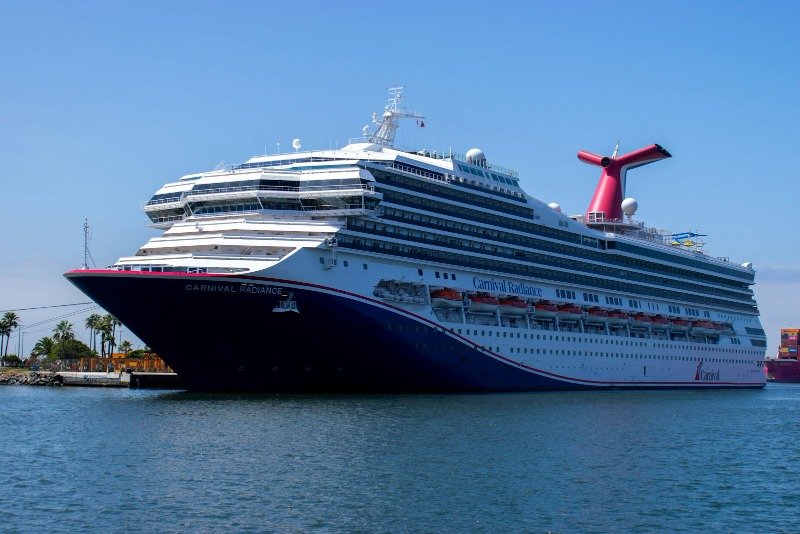
Photo by Enrique Chagoya on Unsplash
The catch cruisers flag most: if one adult in your cabin buys the Cheers! drink package, every adult 21 and over in that cabin has to buy it too.
MSC: Lowest Headline Fares
MSC is the aggressive one on price.
It’s the world’s third-largest cruise line, and it’s been buying its way into the US market with some of the lowest Caribbean fares out of Miami and Port Canaveral. On comparable sailings it often lands under the bigger American lines, and its fleet is one of the newest at sea.
The catch is the fare structure. MSC’s cheapest “Bella” experience is bare-bones, and drinks, WiFi, and cabin choice all cost extra on top of that low headline number.
Royal Caribbean: Cheap on the Older Ships
Royal Caribbean is the line we actually know.
We sailed Vision of the Seas, and here’s the thing worth sitting with: it’s one of the oldest, smallest ships in the fleet, and that’s exactly why it was affordable. More on that in a second, because it’s the single most useful budget lever in this whole article.
On the newest Icon and Oasis ships, Royal is not a budget line at all.
Norwegian: A Deal Through More at Sea
Norwegian sits in the middle on base fare but earns its spot here through More at Sea, its promo that bundles the drink package, WiFi, dining, or excursion credit into the fare for an upgrade fee. Bundled, those extras often cost less than buying them piece by piece.
The warning: NCL’s standalone add-ons are the priciest of the five, and it charges for things other lines hand you free, right down to bottled water.
Princess: Value on Longer Itineraries
Princess isn’t the cheapest on a like-for-like Caribbean week.
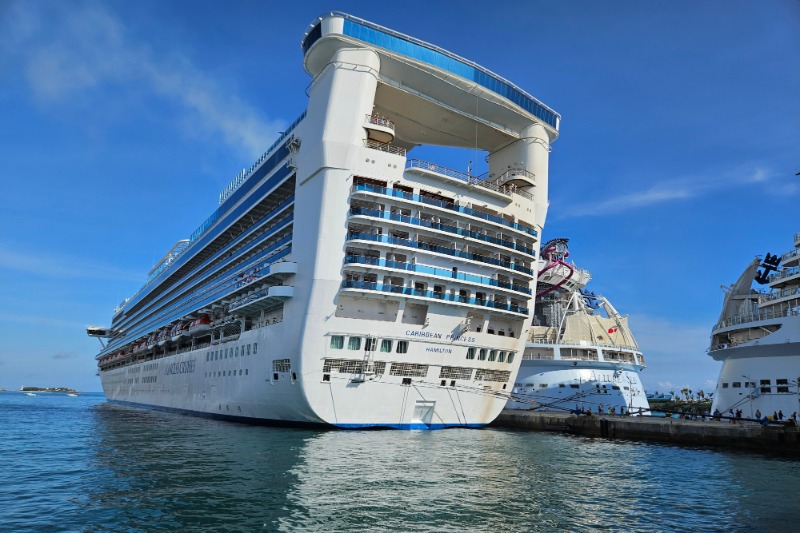
Caribbean Princess Cruise Ship
Where it becomes a budget play is on longer, scenic, sea-day-heavy itineraries, where the price per night can undercut a packed short cruise. Its Plus and Premier bundles can be good value, but they also make the bare fare hard to see.
Why The Ship Matters More Than The Line
This is the part the brand rankings miss.
The single biggest lever on cruise price isn’t the line. It’s the specific ship.
Older, smaller ships are almost always cheaper than the newest mega-ships, on the exact same line.
Our first cruise proved it. We sailed Vision of the Seas, a 1998 ship that’s one of the smallest Royal Caribbean runs, on a 5-night Baltimore-to-Bermuda sailing in June 2025.
It had no roller coaster, no surf simulator, no ten dining venues. It had a pool, a couple of bars, a main dining room, and a buffet.
And it cost hundreds of dollars less than putting the same two people on Icon of the Seas that same week.
We didn’t feel like we missed much. The ocean was the same ocean. Bermuda was the same Bermuda.
That’s the trade. New ships charge a premium for the newest slides and the biggest atriums. If the destination is the point, an older ship gets you there for less.
What we learned: The newest ship in a fleet is the most expensive one by design. If you’re chasing the lowest fare, look at the oldest ships in a class first, and the smaller ones before the giants. That one filter did more for our budget than picking a “cheap” line ever could.
Cabin choice is the other half of this.
An inside cabin is the cheapest bed on any ship, and on a port-heavy trip you’re barely in it. We sailed an oceanview and were happy with it, but if your itinerary is packed with ports, whether a balcony is worth the jump is a real question to answer before you spend the extra.
Short Cruises Are The Cheapest Way Onto A Ship
If you just want the lowest possible total, sail fewer nights.
A 3 or 4-night Bahamas cruise is the cheapest way to get on a ship, full stop.
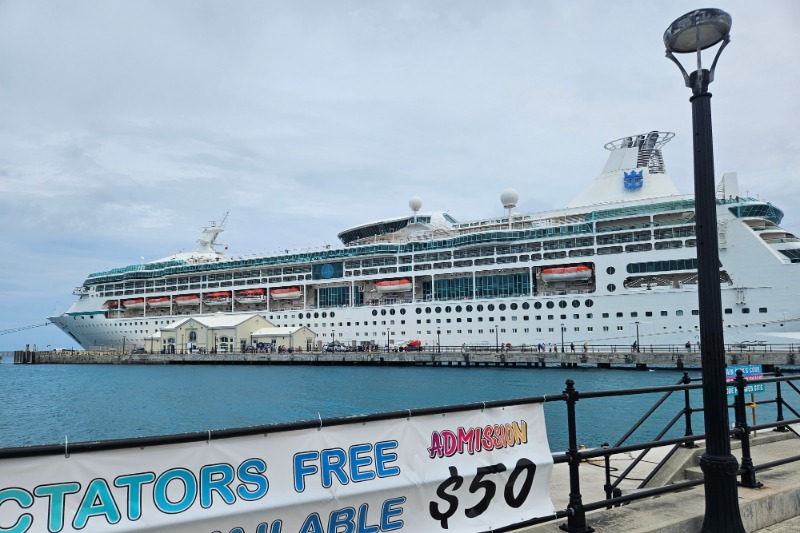
Vision of the Seas we took to Bermuda
Carnival, MSC, and Royal all run short Florida sailings that can come in shockingly low, especially off-peak. Half the fare of a 7-night, sometimes less.
It’s also the smart move if you’re not sure you even like cruising. You find out over a long weekend instead of committing a week and a bigger bill to the experiment.
The tradeoffs are real. A bigger share of a short cruise is embarkation and disembarkation day, so you get less actual ship time per dollar.
Port stops are short. And 3-night sailings skew younger and more party-heavy, which is either a plus or a minus depending on who you are.
For a first budget cruise, though, a short sailing on an older ship is about as low as the real number goes.
When You Book Changes The Price More Than The Line
Timing is the lever nobody puts in a “cheapest cruise line” list, and it’s bigger than the brand.
The same cabin, same ship, same route swings in price depending on when you book and when you sail.
Sail in the cheap windows. Early December before the holidays, late January into February, September and October outside of school breaks. Hurricane season carries some risk, but also the lowest Caribbean fares of the year.
Avoid the expensive ones. Spring break, mid-summer, Christmas and New Year weeks. Same ship, sometimes close to double the fare.
When to actually pull the trigger is its own debate, and we’ve laid out when to book for the lowest fare in detail. The short version: book early for peak weeks and popular ships, and watch for last-minute drops on off-peak sailings you can stay flexible about.
Tip: Prices move after you book. Most lines and travel agents will honor a lower fare or rebook you if the price drops before final payment. Check your sailing every couple of weeks. We’ve watched fares and packages fall by real money for no reason other than the calendar.
The Costs That Turn A Cheap Fare Into An Expensive Cruise
Here’s where the budget cruise quietly stops being a budget cruise.
Gratuities come first, because they’re automatic and unavoidable.
Every major line now charges a daily service charge, and in 2026 they’re clustered around $17 to $20 per person, per day for standard cabins.
Carnival sits near $17, MSC around $17 on Caribbean sailings, Royal Caribbean at $18.50, Princess roughly $18 to $20, and Norwegian near $20. Suites pay more on every line.
For two people on a 7-night cruise, that’s a real line item, often north of $250 before you’ve bought a single drink. Get familiar with how gratuities work and what you’ll actually pay so the total isn’t a surprise at the end.
Drinks are the next budget killer.
A daily drink package can run from around $60 to well over $100 per person, per day, and on most lines every adult in the cabin has to buy it if one person does.

We enjoy trying different drinks on a cruise when getting the drink package
For a lot of cruisers the package is a bad deal. The honest math is that you have to drink a fair amount just to break even, which is why we’d always check whether a drink package earns its cost instead of assuming it pays off.
Then the rest of it.
WiFi is $20-plus a day if you need to stay connected. Specialty restaurants run $20 to $80 a head.
Cruise-line shore excursions are marked up hard. And parking at the port, or flights to reach it, can rival the fare itself on a short cruise.
None of these are the line’s fault. They’re just how cruise pricing works.
The cheap fare gets you on the ship. Everything after that is where budgets go to die.
Heads up: Book excursions on your own when you can. A beach day or snorkel tour arranged directly ashore is often half the cruise-line price. Just leave a safe buffer to get back before the ship sails, because independent tours don’t guarantee the ship waits for you.
How We’d Actually Book A Cheap Cruise
Put it together and a genuinely cheap cruise looks like this.
Pick an older, smaller ship, not the newest one in the brochure.
Sail from a port you can drive to, so flights don’t eat the savings.
Go in an off-peak week, and book an inside or oceanview cabin.
Skip the drink package unless you know you’ll use it, and arrange your own excursions in port.
Do that on Carnival, MSC, or an older Royal Caribbean ship, and you’ll land near the bottom of what a real cruise actually costs.
The line on the funnel matters less than any single one of those choices. That’s the part the rankings never tell you.
So Which Line Is Cheapest?
If you made us answer in one breath: Carnival and MSC start lowest, and an older Royal Caribbean ship is the budget play if you want a familiar US line.
But that’s the least important decision you’ll make.
The ship, the week, the cabin, and the add-ons swing the final bill far more than the badge does. Get those four right and almost any mainstream line becomes a budget cruise. Get them wrong and even the “cheapest” line will empty your wallet by the last sea day.
Which cruise line has given you the best deal, and did your final bill match the fare you booked? We’d love to hear what actually kept your costs down.