
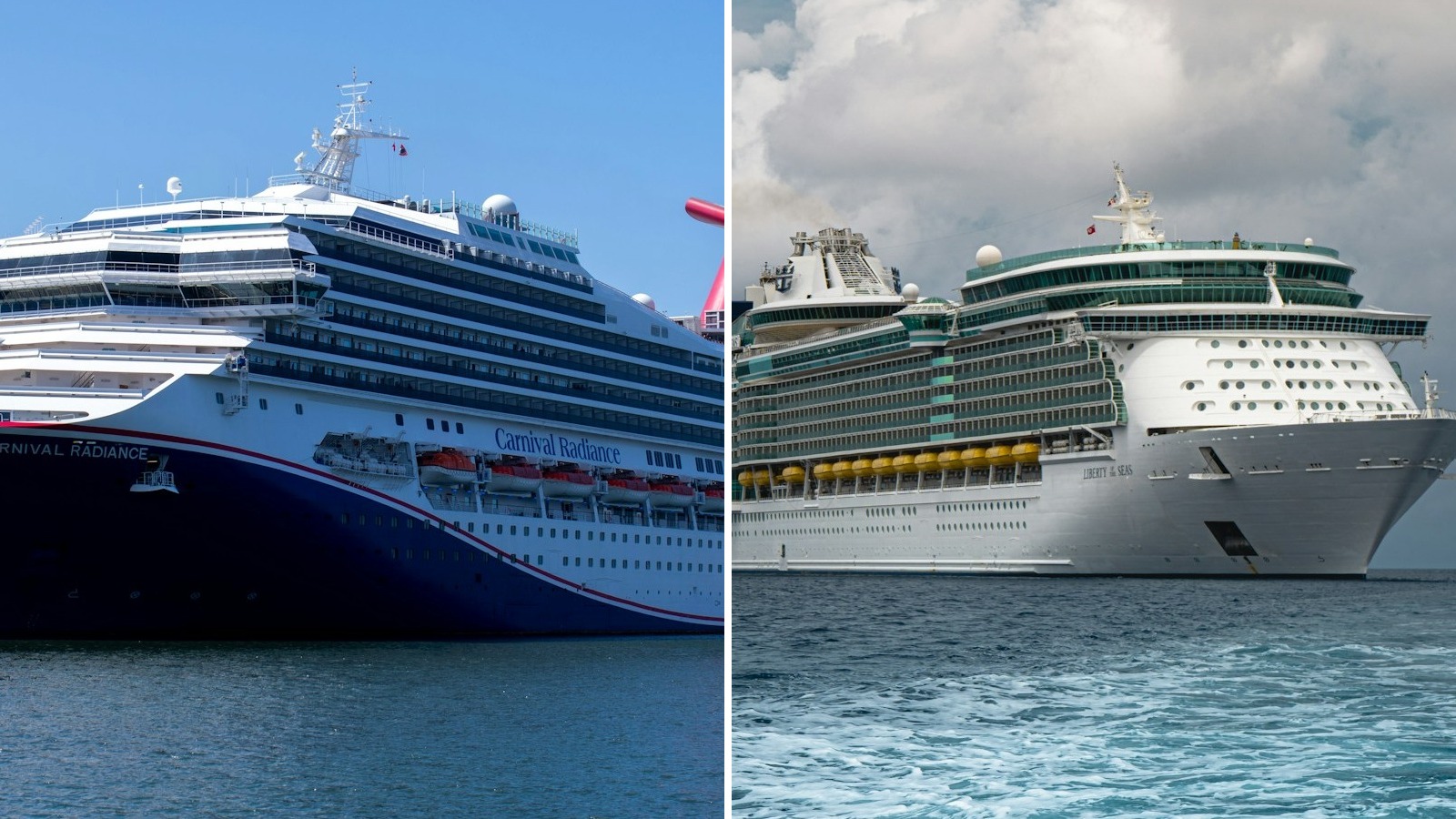
Every cruise Facebook group has the same argument running in the comments.
One person swears they walk on with a case of bottled water every single sailing.
Another says security dumped their entire 12-pack into a bin at the terminal and didn’t blink.
Both of them are telling the truth. They just sail different cruise lines.
The rules on bringing food and drinks aboard are not standard across the industry, and they’ve shifted more in the last two years than most people realize. Half the articles still floating around Google are quoting policies that changed a while ago.
Here’s what each of the five biggest lines actually allows right now, plus my honest opinion on what’s worth the suitcase space and what you should leave in the pantry.
The Rule That Covers Almost Everything: Sealed, Store-Bought, Carried On
Before the line-by-line stuff, there’s a simple test that gets you the right answer maybe 90% of the time.
Three conditions. Sealed in its original factory packaging, non-perishable, and in your carry-on rather than your checked bag.
Miss any one of those and it’s probably getting confiscated.
The sealed requirement is about tampering. Security has no way to know what’s actually in a container once the seal is broken, which is exactly why homemade food never makes it aboard on any line.
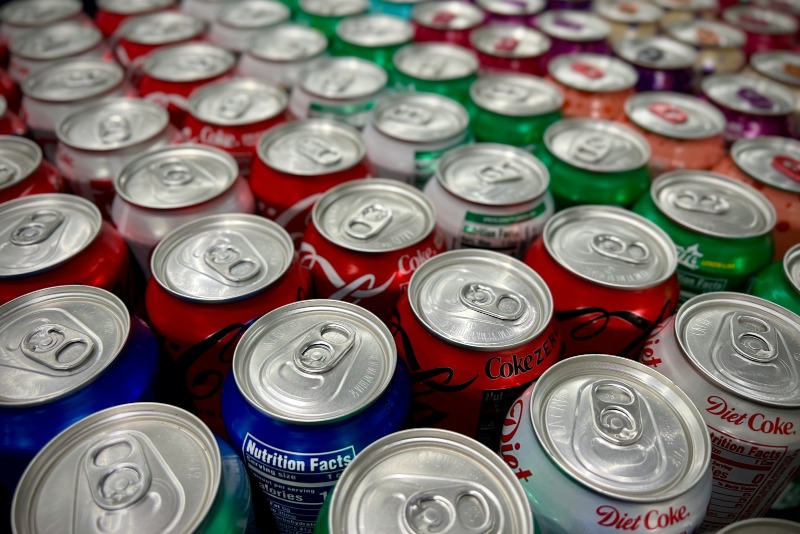
Photo by Charlie Wollborg on Unsplash
Non-perishable is a public health rule. Cruise ships take norovirus outbreaks extremely seriously, and food that’s been sitting in a warm suitcase for six hours is a genuine risk to several thousand people who share the same dining rooms.
The carry-on part is the one people forget. Every line scans checked luggage, and anything that violates policy gets pulled out without anyone contacting you first.
Heads up: If your beverages go in your checked bag, you will not get them back and you will not get a refund. Put anything you’re allowed to bring in the bag that stays on your shoulder.
What Each Cruise Line Actually Allows In 2026
This is the table I wish existed when we were planning our first cruise. It covers the five lines that dominate US sailings.
| Cruise Line | Wine or Champagne | Corkage Fee | Soda, Water, Juice | Snacks |
|---|---|---|---|---|
| Royal Caribbean | 1 sealed 750ml bottle per drinking-age guest | $15 in public areas, free in cabin | Up to 12 cans, bottles or cartons (17 oz or less) per stateroom | Sealed, non-perishable, “sensible” amounts |
| Carnival | 1 sealed 750ml bottle per guest 21+ | $15 in dining rooms, steakhouse or bars | Up to 12 sealed cans or cartons (12 oz or less) per person. No bottles at all | Sealed, non-perishable |
| Norwegian | Allowed, but every bottle is charged | $15 per 750ml, $30 per magnum, charged at embarkation regardless of where you drink it | None permitted | Sealed, non-perishable |
| Celebrity | 1 sealed 750ml bottle per drinking-age guest | $35 in any restaurant, bar or dining venue | What one person can hand-carry, embarkation day only | Sealed, non-perishable |
| Princess | 1 sealed 750ml bottle per guest, per voyage | $20 in public areas, plus $20 for every extra bottle even in your cabin | Up to 12 sealed cans or cartons (12 oz or less) per person. No bottles | Sealed, non-perishable |
Two things in that table catch people out constantly.
Royal Caribbean’s non-alcoholic limit is per stateroom, not per person. Carnival and Princess both count per person, so a couple sailing Carnival can bring double what a couple sailing Royal can.
And Celebrity quietly moved to one bottle per guest with a $35 corkage. Plenty of well-known cruise sites still list two bottles at $25, so if you’re planning around an older article, check the line’s own page before you pack.
Snacks: What Makes It Through And What Gets Tossed
All five lines let you bring snacks. None of them let you bring food.
That sounds like a riddle, but the distinction is real and it’s the whole ballgame.
A sealed bag of pretzels is a snack. A Tupperware of your mom’s chicken salad is food, and it’s going in the bin.
What sails through security without a second look:
- Sealed chips, crackers, cookies, candy, and granola bars in the original bag or box. Nobody is counting your protein bars.
- Instant coffee, tea bags, drink mix packets, and powdered supplements, as long as they’re still in the manufacturer’s sealed packaging. Loose powder in a ziplock will get questioned.
- Sealed jerky, nuts, and dried fruit. Shelf-stable and factory-packed is the standard.
What does not make it aboard, on any line:
- Anything homemade, including baked goods you made yourself
- Fresh fruit, vegetables, meat, cheese, or anything else that needs refrigeration
- Open containers of food, which Royal Caribbean specifically called out when it reorganized its prohibited items page in early 2026
Royal Caribbean’s own guidance asks guests to be “sensible” about quantity rather than naming a number, which is a polite way of saying don’t roll up to the terminal with a Costco run.
Tip: Cabin refrigerators on most ships are cooling units rather than true refrigerators. They’re built to keep a can of soda cold, not to safely store food, so plan around that even for the snacks you’re allowed to bring.
Water, Soda, And Juice: Where Most Cruisers Get It Wrong
This is the single most confused topic in cruising, and the confusion is understandable, because the five lines have five genuinely different answers.
Photo by Julia Volk on Pexels
Norwegian bans it outright. No water, no soda, no juice, in carry-on or checked luggage, with narrow exceptions for medical use and infant formula that I’ll get to below.
Carnival allows a lot but is fussy about packaging. Cans and cartons only, up to 12 per person at 12 ounces or less. Plastic and glass bottles are prohibited, including plain bottled water, and that’s been the rule for years now.
Royal Caribbean is more relaxed about the container and stricter about the count. Twelve cans, bottles or cartons at 17 ounces or less, but that allowance is shared across everyone in the stateroom.
Princess mirrors Carnival’s structure. Twelve sealed cans or cartons per person, 12 ounces or less, no bottled beverages.
Celebrity is the outlier here. On embarkation day only, you can bring non-alcoholic drinks limited to whatever you can personally hand-carry, with no published can count. Less precise than the others, and it means the practical limit is however much you’re willing to lug through a terminal.
What we learned: Bring an empty refillable water bottle regardless of which line you sail. Every ship has free water, iced tea, and lemonade at the buffet, and filling a bottle before a port day saves you real money over buying water ashore. We go through the rest of the surprise charges in our breakdown of the costs cruise lines don’t advertise.
Wine And Champagne: One Bottle, And Mind The Corkage Fee
Wine is the one alcohol exception across the board, and the details matter more than the headline.
Four of the five lines allow one sealed 750ml bottle per drinking-age guest, carried on at embarkation only. Boxed wine is prohibited, and Royal Caribbean and Norwegian both call it out by name. Beer and liquor are banned everywhere, full stop.
The corkage fee is where the lines actually separate.
On Royal Caribbean, Carnival, and Celebrity, you drink your bottle in the cabin for free. Bring it to a bar or dining room and you pay $15, $15, and $35 respectively.
Photo by Brendon Spring on Pexels
Princess charges $20 in public areas, and here’s the part people miss: any bottle beyond your first allowance gets the $20 fee no matter where you drink it, cabin included.
Norwegian is the strictest. Every bottle you bring gets charged at embarkation, $15 for a standard bottle and $30 for a magnum, whether you plan to drink it on your balcony or in a restaurant. The fee is waived if you have a beverage package.
So does bringing your own wine actually save money? On a line with a free in-cabin pour, yes, comfortably. A $14 bottle from home beats a $50 bottle from the ship’s list every time.
On Norwegian it’s closer than you’d think once the fee lands, and if you’re already weighing a drinks package, run those numbers first. We walk through that math in our take on whether drink packages are worth buying.
Baby Food, Formula, And Medical Exceptions
Every line carves out room for the things people genuinely need, but you have to declare them.
Royal Caribbean permits milk and distilled water brought aboard for infant, medical, or dietary use, and those don’t count against the 12-container stateroom limit.
Norwegian, despite banning beverages otherwise, allows purified or distilled water in factory-sealed containers for medical devices like CPAP machines or for mixing infant formula.
The others follow similar logic. Sealed, factory-packaged baby food and formula are fine on all five lines. Homemade purees are not, same as any other homemade food.
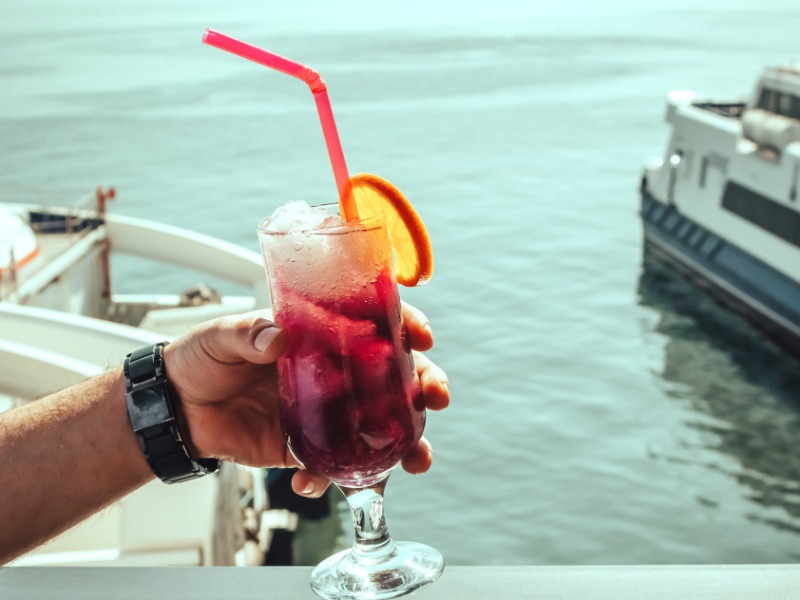
Photo by Fatih Doğrul on Pexels
Heads up: Tell security at the checkpoint rather than hoping your bag slides through. Screening staff deal with medical exceptions constantly and it takes about thirty seconds, but only if you flag it.
If you rely on a CPAP, contact the line’s accessibility department before you sail. Several lines will supply distilled water to your cabin, which is easier than carrying jugs through a terminal.
What You Can’t Bring On Any Line
Some things are universal, and none of the five lines will bend on them.
Hard liquor and beer are the big ones. Every line confiscates them, and Royal Caribbean states plainly that seized alcohol will not be returned to you at the end of the cruise.
Boxed wine is banned across the board because a bag inside a box is trivially easy to tamper with.
Homemade anything. Fresh produce, meat, and cheese, which also run into agricultural rules at ports of call.
Anything in an opened container, which includes that half-finished bottle of water you carried in from the parking lot.
Coolers are a gray area worth understanding. Small soft-sided coolers are generally acceptable for carrying your permitted drinks aboard, but large hard coolers get turned away, and a cooler doesn’t change what you’re allowed to put inside it. It’s a container, not a loophole.
Can You Take Food Off The Ship In Port?
Two separate questions here, and the answers differ.
Taking food ashore is often restricted by the destination rather than the cruise line. Plenty of countries have agricultural rules banning fresh fruit, meat, and dairy from entering, and those apply to the apple you grabbed at the buffet.
Bringing food back aboard is where the cruise line’s rules kick back in. Since open containers are prohibited, that takeout box from the beachfront restaurant isn’t making it through the gangway scanner.
Sealed, factory-packaged snacks you buy in port generally follow the same rules as what you brought from home. Alcohol you buy ashore gets collected at the gangway and returned to you on the last night, on every one of the five lines.
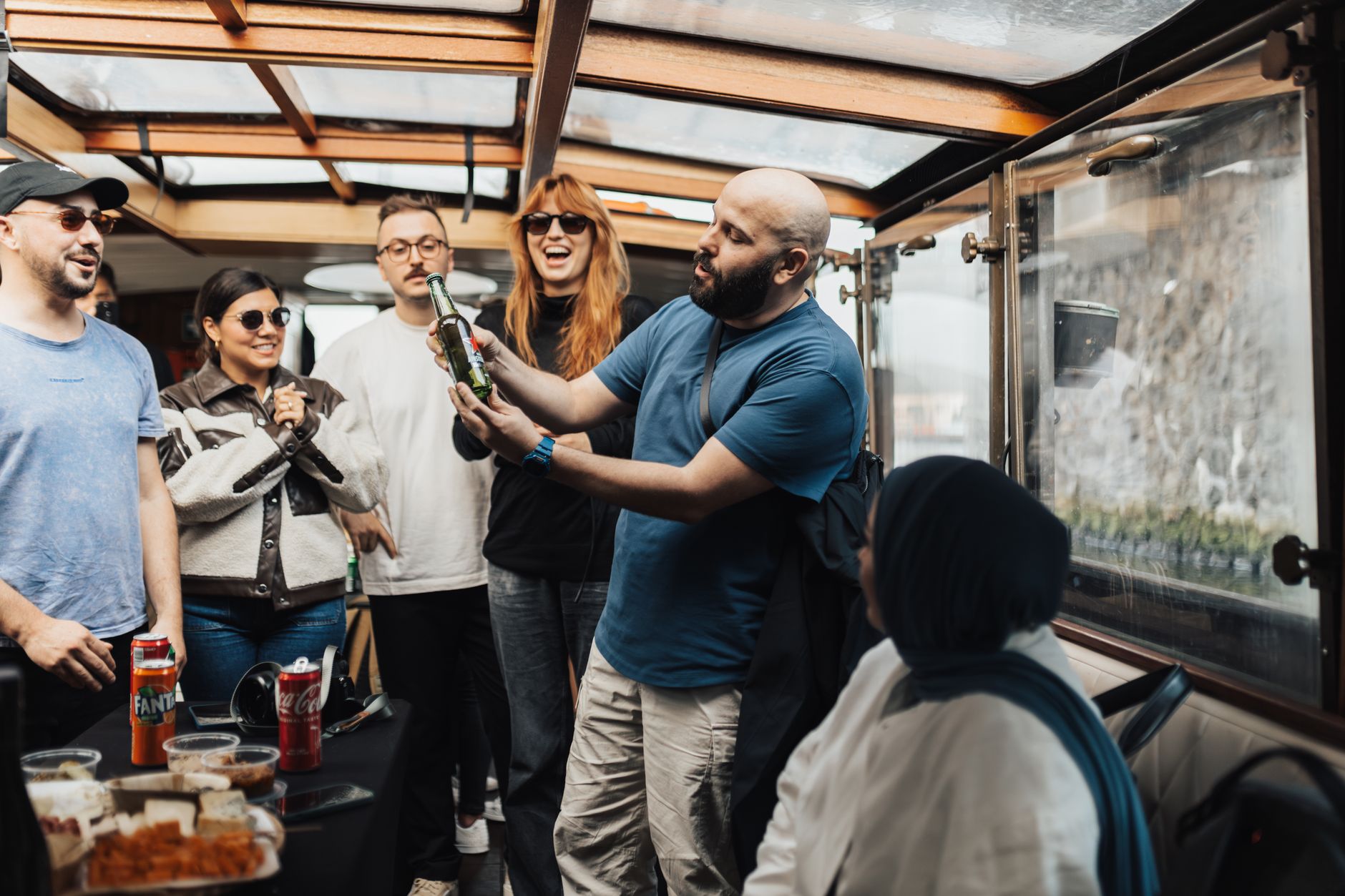
Photo by Matheus Bertelli on Pexels
Read more: If you’re still mapping out how boarding actually works, we walk through the full day from parking lot to sailaway.
What’s Actually Worth Packing (And What Isn’t)
Here’s my honest opinion after two sailings, and it might not be what you’re hoping to hear.
Most people bring way too much food onto a cruise ship.
You are boarding a vessel where the buffet runs most of the day, the dining room serves multiple courses every night, and there’s usually somewhere still serving pizza late. Very little of what’s in your snack bag is going to get eaten.
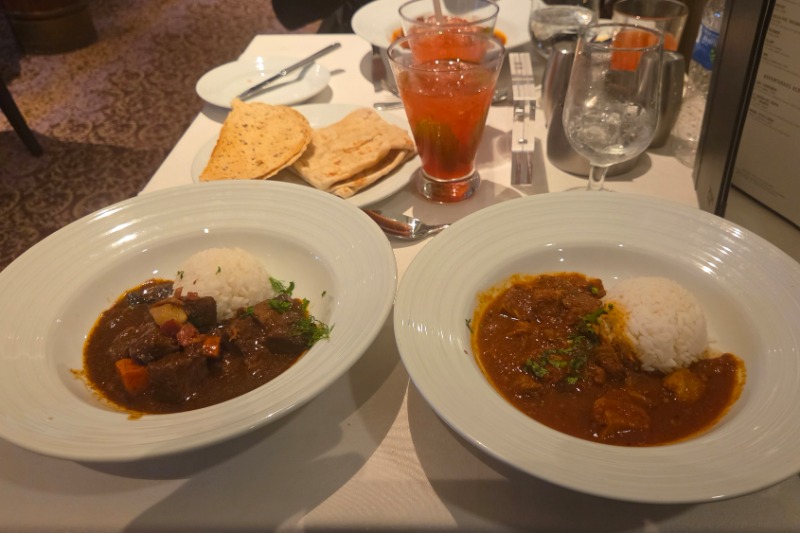
Main dining room food on a cruise is free!
What genuinely earns its space:
- A refillable water bottle. Free to fill, useful every port day, and it costs you nothing in luggage weight.
- One bottle of wine per adult, if your line lets you drink it in the cabin free. A glass on the balcony before dinner is a legitimately nice thing and the savings are real.
- Your specific brand of coffee or tea. Ship coffee is famously mediocre, and a box of your own tea bags weighs nothing.
- Snacks for a genuinely picky kid. If your child eats one particular cereal bar and nothing else, bring the cereal bars.
What I’d skip: the full 12-pack allowance. Hauling a case of soda through a terminal in July heat is miserable, and you’ll drink maybe four of them. Those cans also eat the exact suitcase space you’ll want on the way home, which is a theme we come back to in our guide to packing light for a cruise.
Walk through any terminal on a summer embarkation day and you’ll see people hauling cases of water across a hot parking lot, sweating through their shirts before they’ve even checked in.
The ship has free water at the buffet.
What Happens If You Get It Wrong
Mostly, nothing dramatic. Security finds the item, pulls it out, and it goes in a bin. No refund, no apology, and you keep walking.
Bottles of liquor found in checked bags are a different story. Some lines hold them until disembarkation, and Royal Caribbean is explicit that alcohol seized at embarkation is not returned at all.
The more serious cases involve people who get creative about it. Repeated attempts to smuggle alcohol are treated as a conduct issue, not a packing mistake, and conduct issues are one of the things that can genuinely end your cruise early.
Not worth it over a bottle of rum you could buy in port for $12.
So What Should You Actually Bring?
The rules come down to three tests that hold on every line: sealed, non-perishable, and carried on. Get those right and you’ll rarely have a problem at the checkpoint.
Beyond that, the differences are real enough to check before you pack. Norwegian takes no drinks at all, Carnival takes cans but no bottles, Royal counts per cabin instead of per person, and Celebrity’s corkage fee is more than double what Royal charges.
Policies also change quietly, so give your line’s own beverage page a two-minute read before you zip the suitcase. That’s cheaper than watching your drinks disappear into a bin.
And if you take one thing from all of this, make it the water bottle. It’s the only item on the list that’s free, allowed everywhere, and useful every day of the trip.
What’s the one snack or drink you always pack for a cruise, and has anything of yours ever been confiscated at the terminal?